
Last updated on May 19, 2026 by Shannon
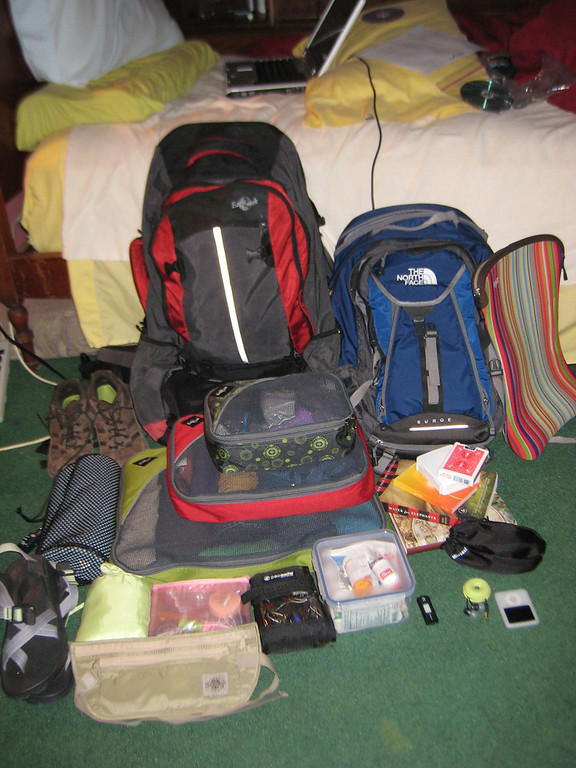
Before I left to travel the world in 2008, I knew I would need a way to make packing easier and more efficient. I was only carrying a 65L backpack on my yearlong trip, so I needed a way to both organize my belongings and maximize space.
That’s when I discovered packing cubes.
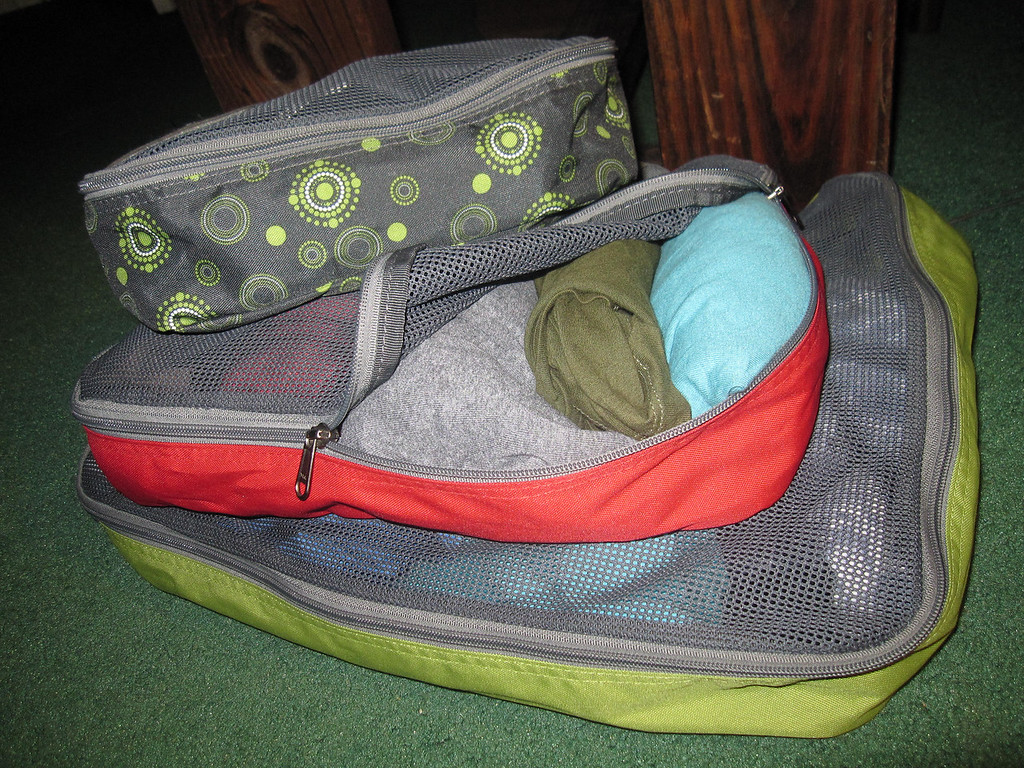
I hadn’t even left to travel yet, but I thought these lightweight little cubes just might transform how I packed. But boy were they pricey. I was a budget traveler and couldn’t help but ask: Are packing cubes really worth the upfront investment?
I’ve been traveling and living outside of the U.S. since 2008, and I’ve found packing cubes incredibly helpful in keeping my bags organized. I travel with a toddler now too, and they not only make it easy to find specific items without having to dig through my entire suitcase, but they also make unpacking and organizing our hotel room heaps faster.
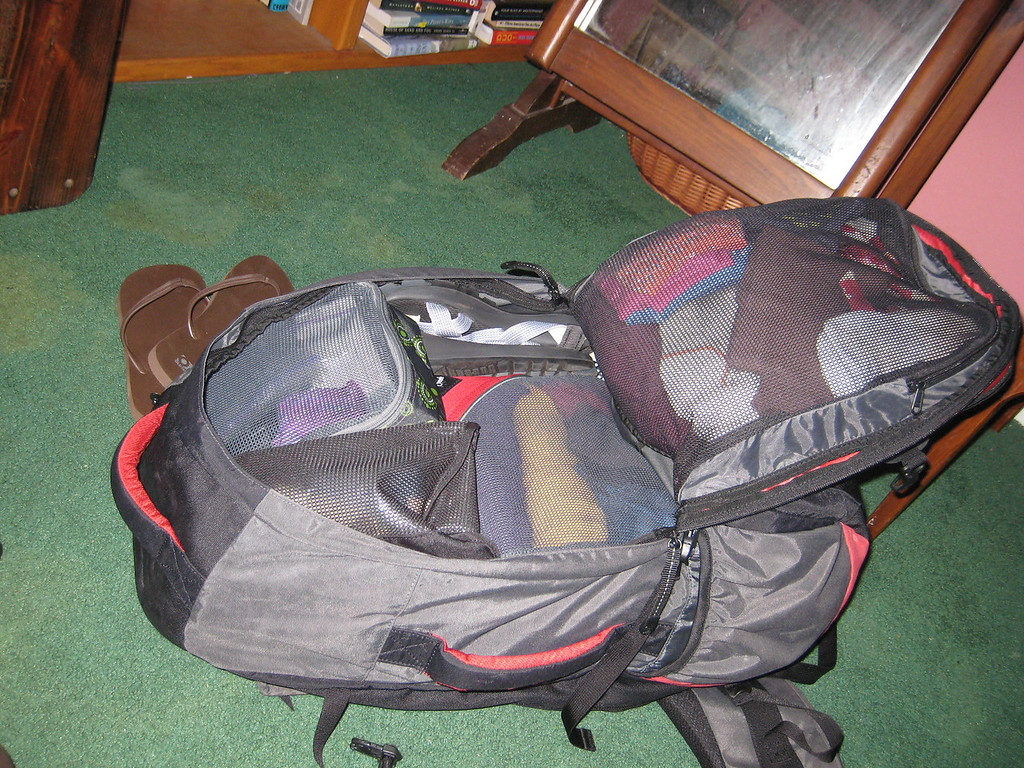
That said, I don’t think packing cubes are mandatory travel gear. Some travelers are naturally organized and pack light enough that they don’t need much structure. But if you constantly find yourself digging through a suitcase looking for socks, chargers, pajamas, or one missing swimsuit, cubes genuinely help.


What the Heck Are Packing Cubes?
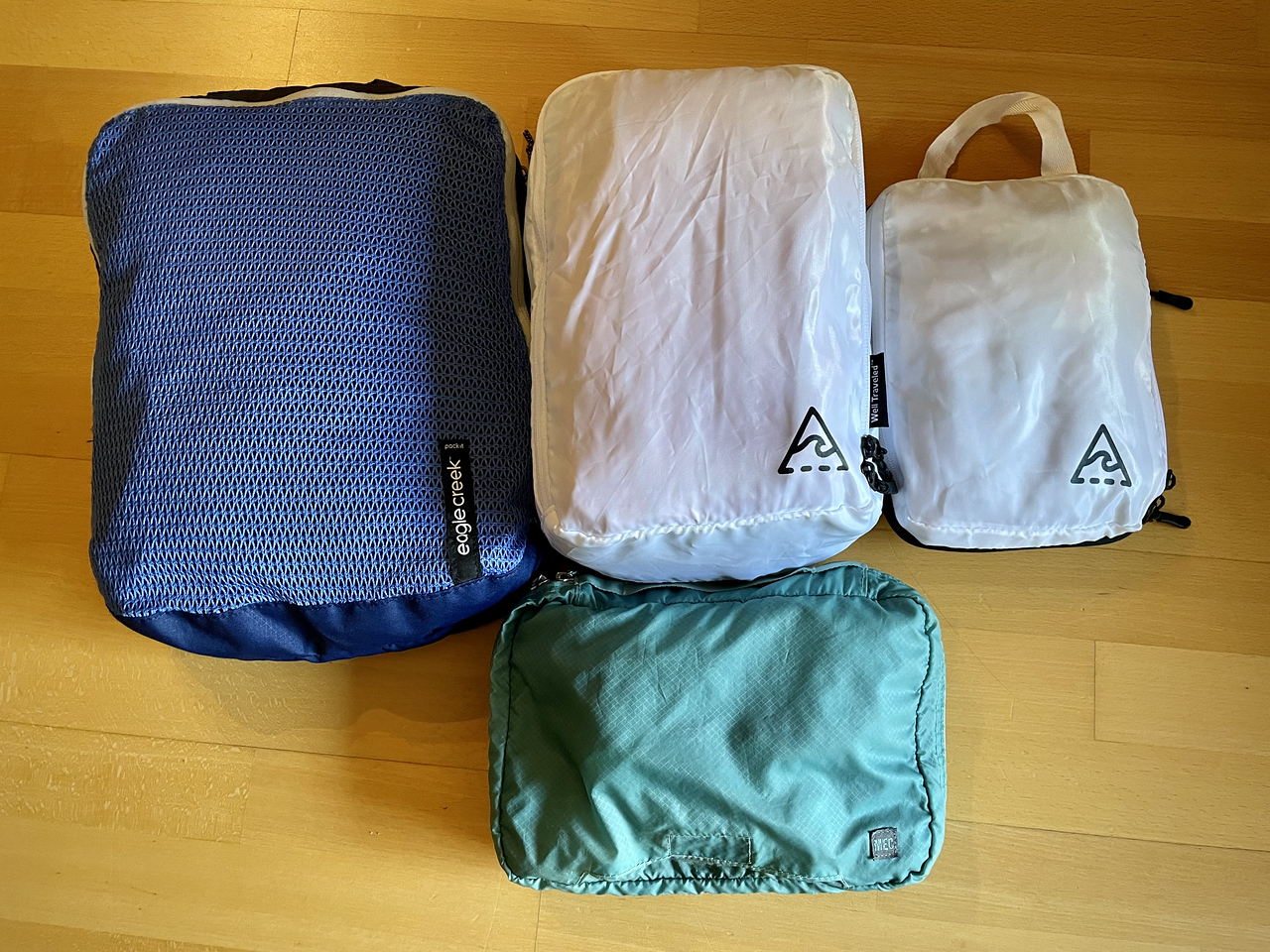
Packing cubes are just zippered containers that organize your clothes inside a larger bag. I usually describe them as little Tetris blocks for your suitcase or backpack—you pack your clothes into the cubes first, then slot the cubes neatly into your luggage.
Most are made from lightweight nylon or polyester and come in a range of sizes and shapes depending on how you travel.
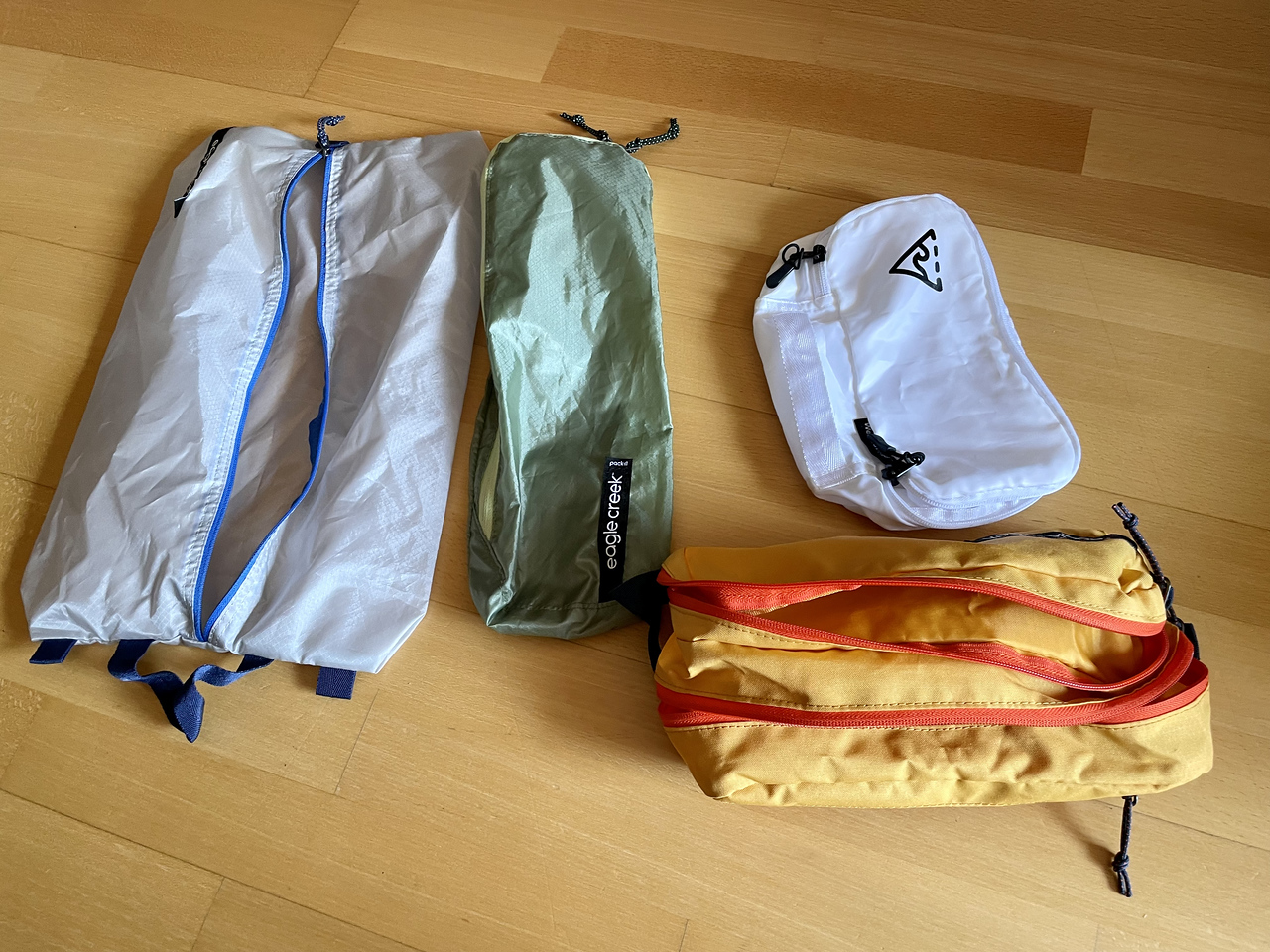
How many cubes you need depends entirely on your packing style. For a short trip, I might use just two or three. For longer trips—or now when traveling with my son—I usually end up with a whole ecosystem of cubes, pouches, toiletry kits, and random little packing sacs that keep everything from chargers to pajamas from turning into one giant mess.
All packing cubes are usually closed with a zipper—sometimes two zippers if you buy compression or expandable packing cubes.
The great thing about using packing cubes for luggage organization is that they work with both the rolling and folding method of travel packing. They also sort other items like camera gear, electronics, toiletries—just about anything you plan to pack in your bag can go in a packing cube.
How is a packing cube different than a compression bag?
Plastic compression bags technically save more space, but they’re annoying to live out of day-to-day. Compression cubes are the middle ground I’ve landed on after years of travel.
Compressing clothes, however, also gets heavy fast. It’s easy to accidentally build a beautifully organized carry-on that weighs a ton.
Why I Still Use Packing Cubes After 18+ Years
I’ve used packing cubes through just about every type of trip imaginable now: a round-the-world backpacking trip in my twenties, long-term travel across Asia and Europe, carry-on-only city breaks, hiking trips, and now family travel with a toddler.
And honestly, the biggest benefit isn’t even space-saving—it’s making travel less annoying.
Everything simply has a place. When I unzip my backpack, I know exactly where to find socks, pajamas, swimsuits, chargers, or my son’s extra clothes without tearing apart the entire bag.
Over time, I also started organizing by color and purpose. One cube for tops, another for underwear, another for electronics or chargers. Family travel made that system even more useful because my son’s clothes live in separately colored cubes from mine, which means I’m not digging through one giant shared suitcase trying to find pajamas at bedtime.
I also unpack differently because of cubes. In hotels or Airbnbs, I usually pull the cubes straight out and drop them into drawers or onto shelves. Repacking takes minutes because every item already belongs somewhere.
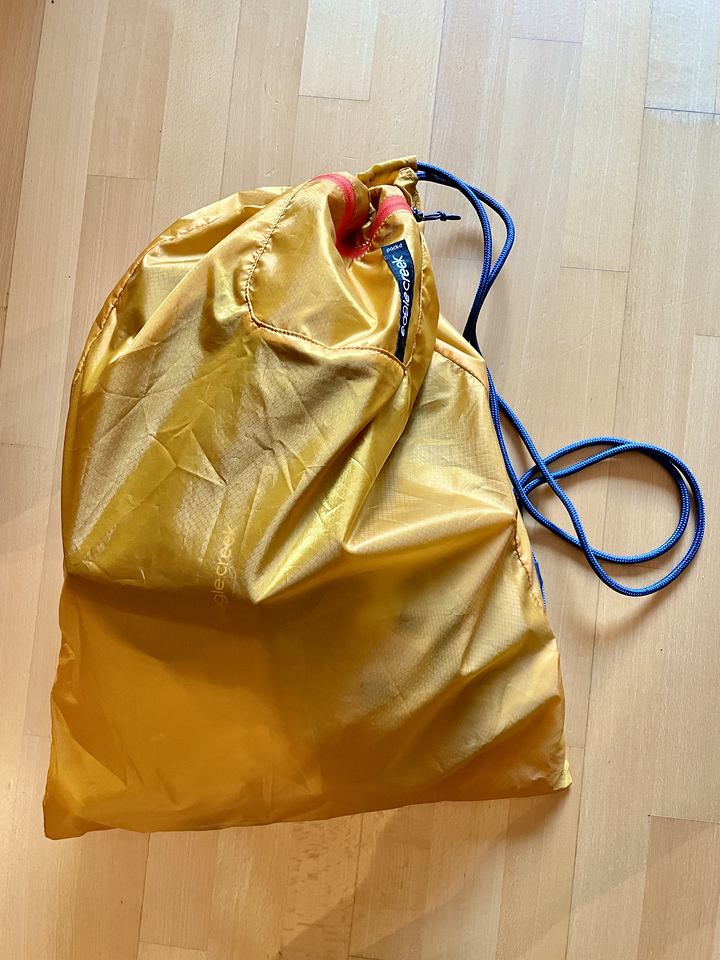
Traveling with my son made me appreciate them even more. We each have our own cubes, plus one for undergarments and another for plane snacks, toys, and random kid chaos.
These little squares mean I’m not digging through a chaotic pile of clothes every single day of a trip.
And then there’s dirty laundry.
I almost always travel with either a dedicated dirty-clothes cube or a clean/dirty compression cube. Otherwise, sweaty socks slowly contaminate everything else in your bag over the course of a trip. Occasionally I still use a gallon Ziplock for socks and underwear too—sometimes the low-tech solution really is the best one.
The One Thing Packing Cubes Don’t Really Do
In truth, no, packing cubes don’t save space! If you are looking to use every single inch of spare space in a suitcase or backpack, then you need to tightly roll your clothes into evenly-sized sausages and stuff your bag tight like your life depends on it. Doing this, you will fit more than any other method of packing, no matter what anyone else says.
But! And this is a big but, packing cubes save more space than just folding clothes into piles and laying them in a bag—the way most people approach packing.
And while the sausage rolls are more space-efficient, it’s super time consuming to fold each item to the same size and then into a tight roll, so it’s not practical on most trips.
I use this method when I’ve bought too much on a trip and just need to get it all home—when taking out smushed, wrinkled clothes that explode from the bag is not a concern.
So, what happens to smaller bits and bobs?
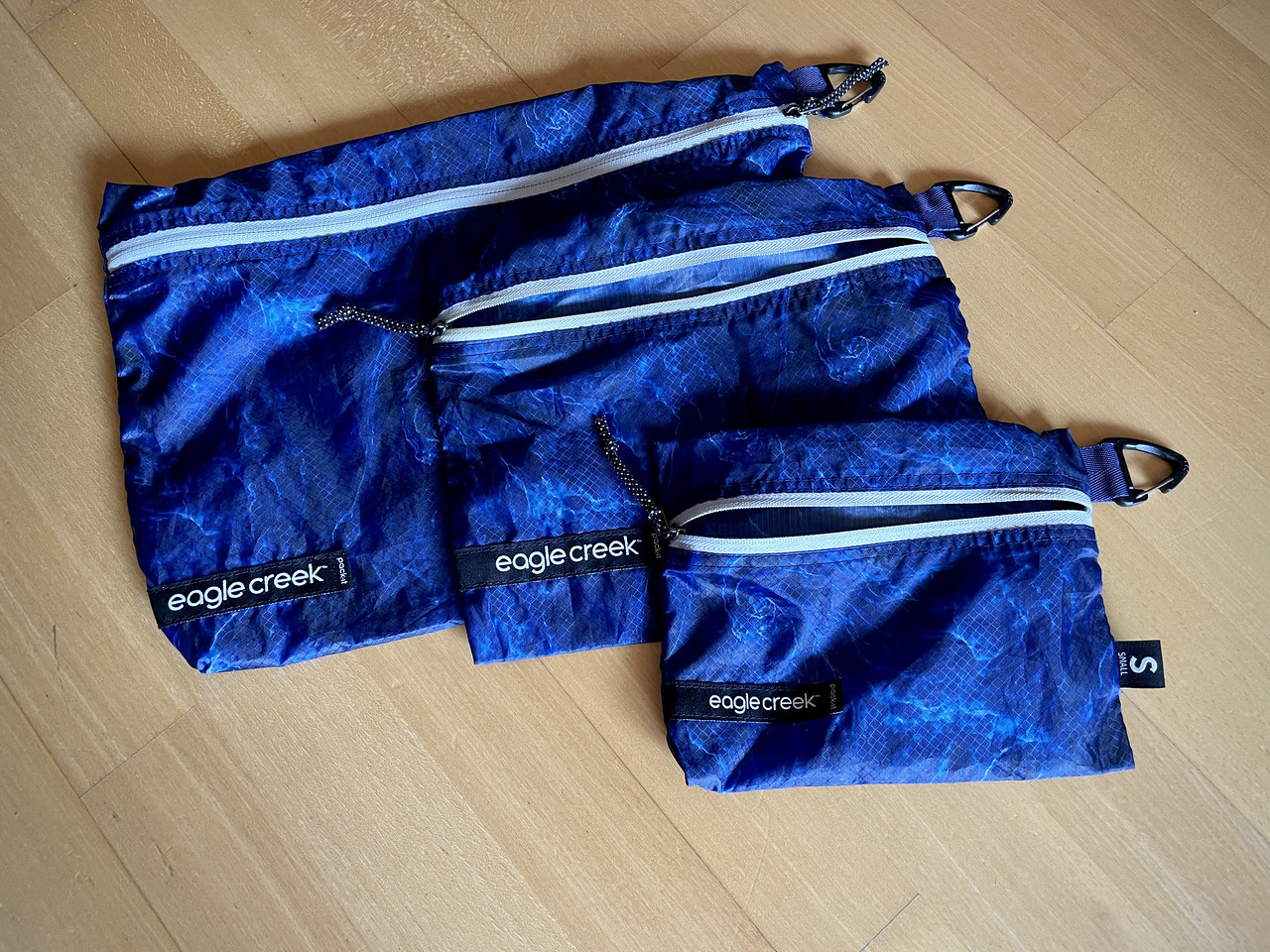
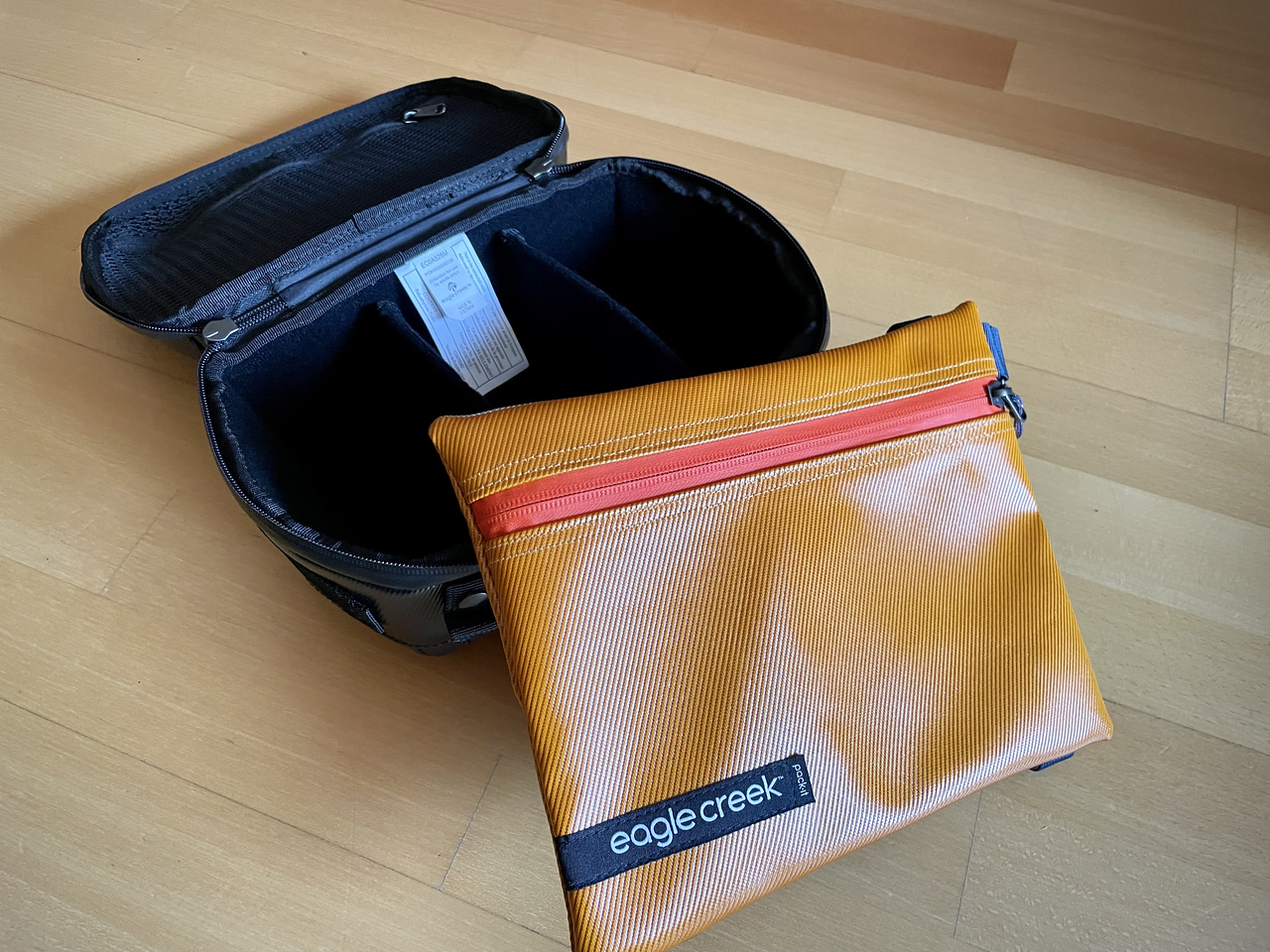
Packing cubes now come in nearly every size, shape, and weight imaginable. I use packing sacs/pouches to organize my personal item, and to contain electronics cords. Before having my son, padded packing cubes held my camera’s zoom lenses and my fun underwater digital camera I carried on dive trips.
The Downsides Nobody Mentions
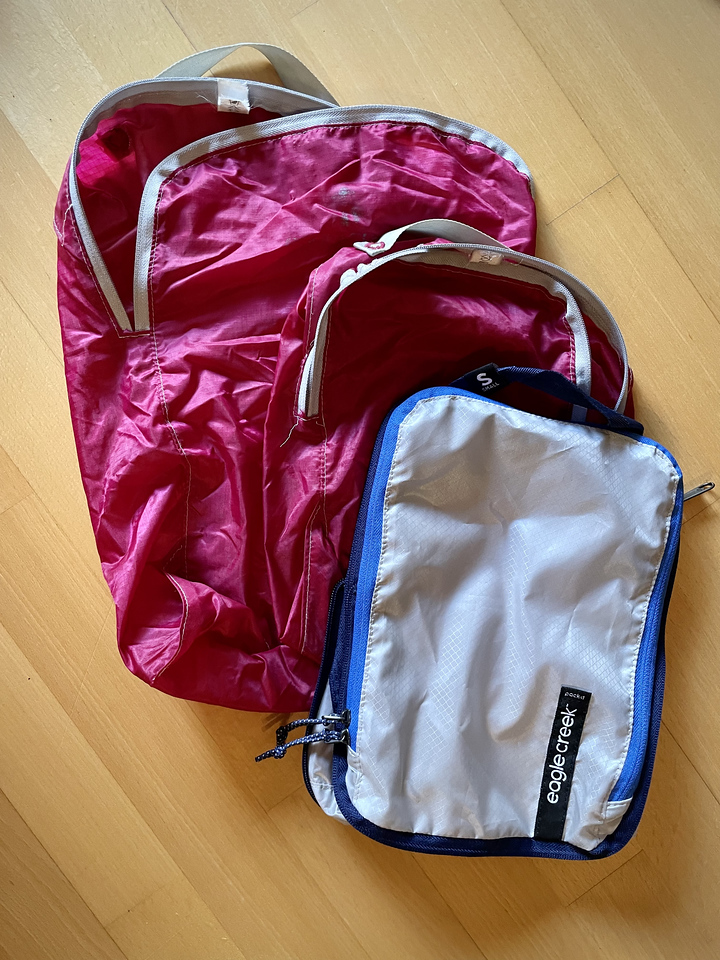
Packing cubes aren’t magic, and they’re definitely not necessary for every traveler.
The biggest downside is that once you commit to them, you kind of have to fully commit. Using one or two cubes inside an otherwise chaotic suitcase somehow makes the whole system feel messier instead of more organized.
They also add weight surprisingly quickly—especially compression cubes. I’ve absolutely built beautifully organized carry-on bags that ended up heavier than expected because every category of clothing suddenly had its own little zippered container.
And despite what some people claim online, packing cubes don’t magically create extra space. Compression cubes help somewhat with thinner fabrics, but regular packing cubes mostly just organize your belongings better.
There’s also the upfront cost.
Cheap cubes absolutely work at first, but after years of travel I’ve found weak zippers and thin seams eventually fail—usually at the worst possible moment. That’s part of why I slowly upgraded to better-quality cubes over time instead of constantly replacing cheap sets.
Still, even with those downsides, I continue using them on almost every trip because they reduce so much friction while traveling.
What Actually Matters When Buying Packing Cubes
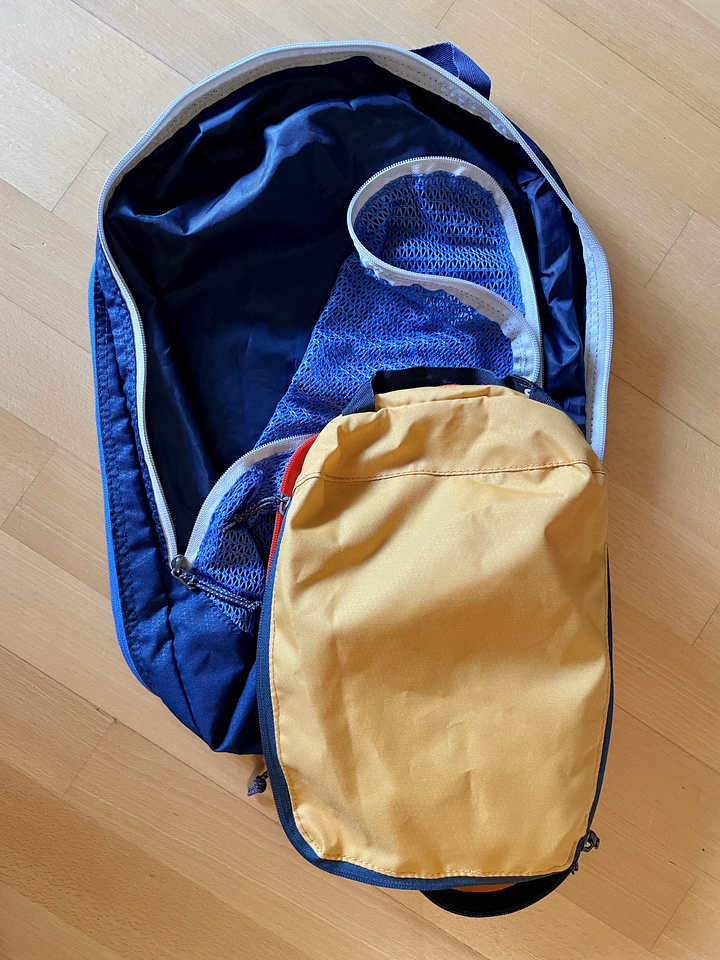
After testing a ridiculous number of cubes over the years, I’ve found only a few features really matter:
- mesh panels for visibility and airflow
- compression zippers for thinner clothing
- lightweight ripstop fabric for carry-on travel
- some water resistance for toiletries or wet swimsuits
- handles for easy unpacking into hotel drawers
One mistake I made early on was buying giant matching sets with way too many similarly sized cubes. In practice, I reach for the same few sizes over and over and rarely use the extra-large cubes at all.
Beyond that, most packing cubes are just… rectangles with zippers.
How Much Do Packing Cubes Cost?
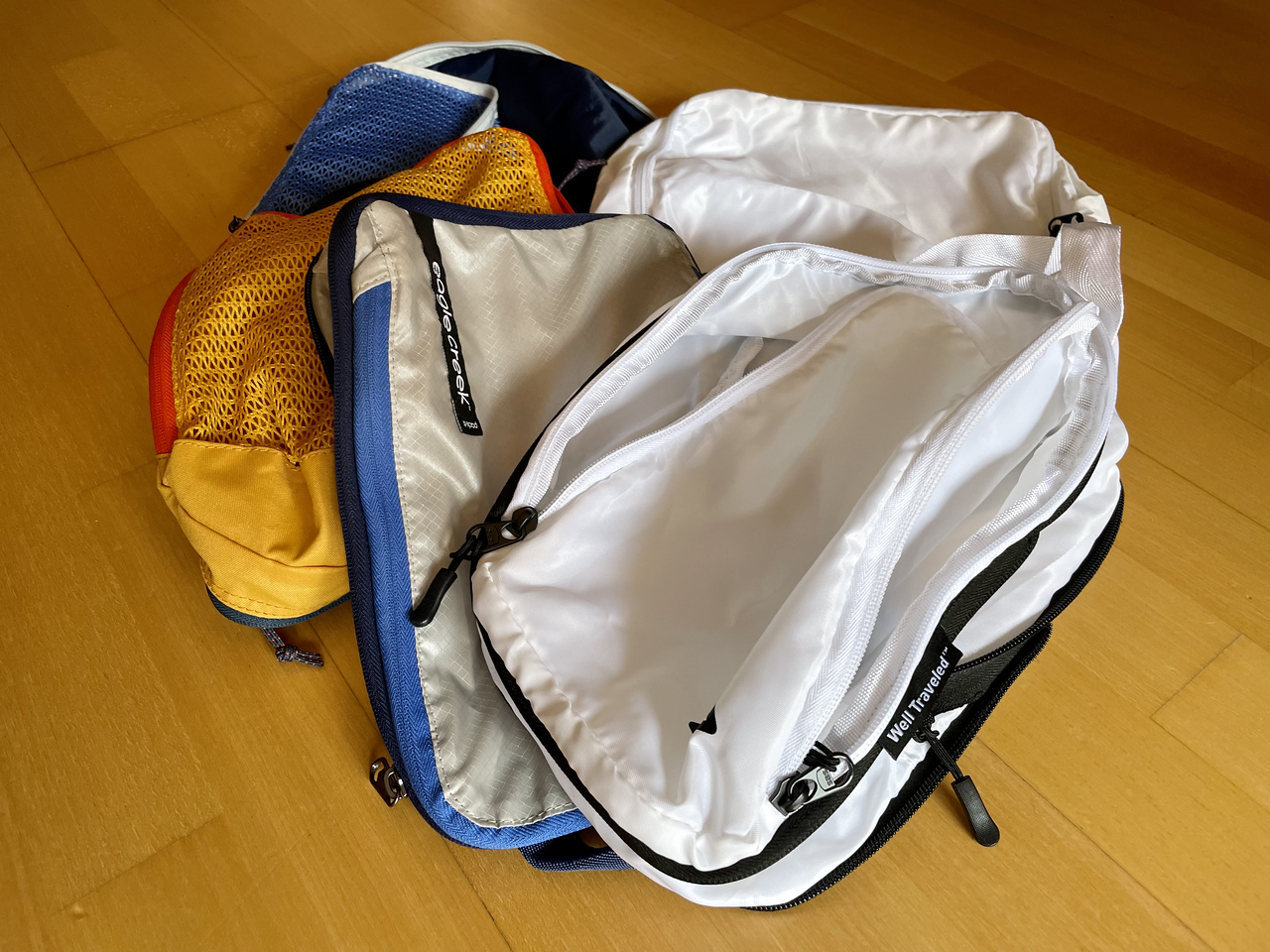
Packing cubes get surprisingly expensive once you build a full system. A budget set from Amazon works fine though if you’re just testing the concept—but after years of travel I’ve found the cheap zippers and seams eventually fail.
My oldest Eagle Creek cubes are still going strong after nearly 20 years, which honestly makes the upfront price easier to justify.
The Packing Cubes I Actually Use
After nearly two decades of travel, I’ve tested a ridiculous number of packing cubes. At this point, most do the same basic job—the differences come down to zipper quality, weight, durability, and whether they survive years of repacking.
Well Traveled
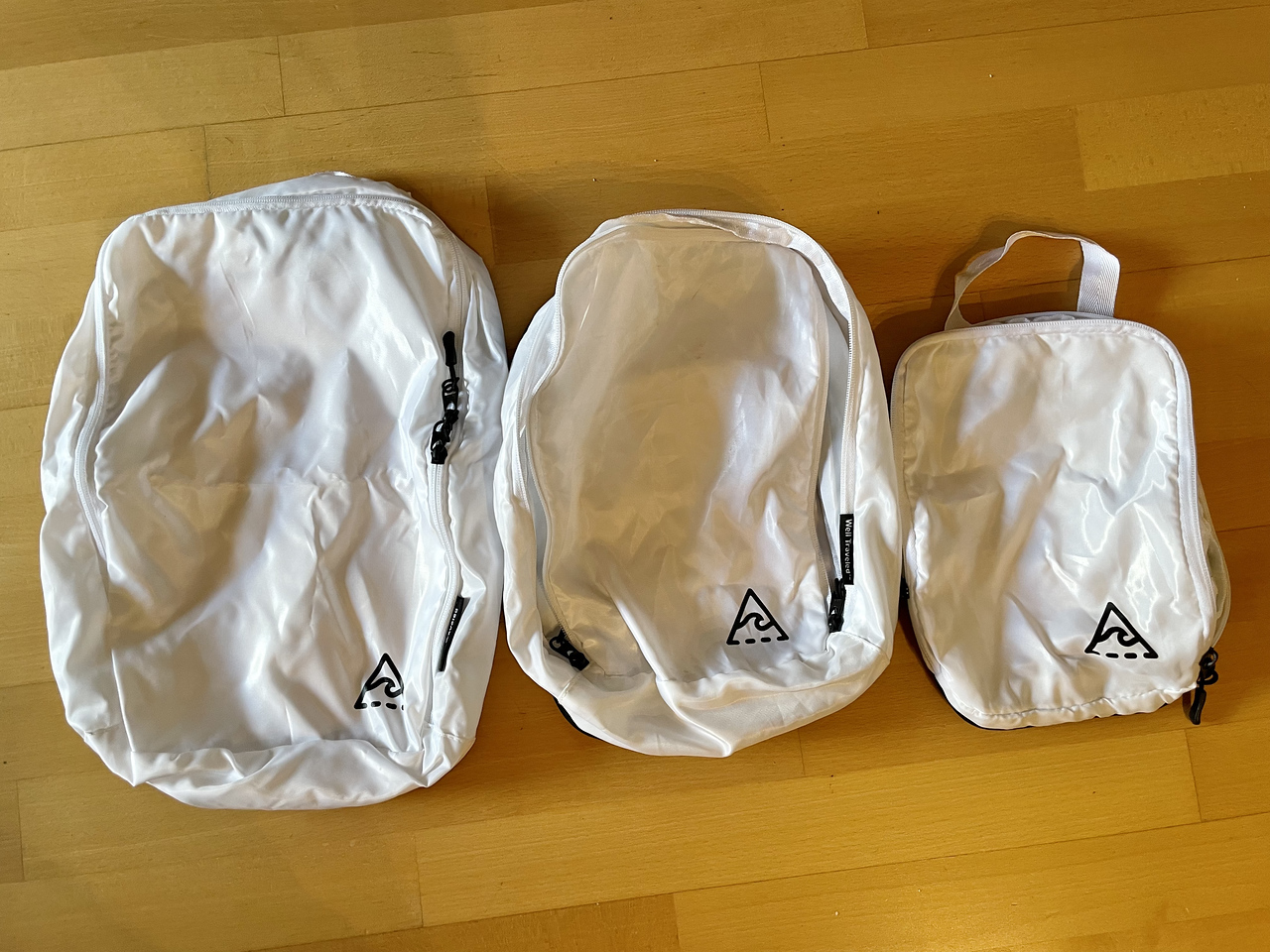
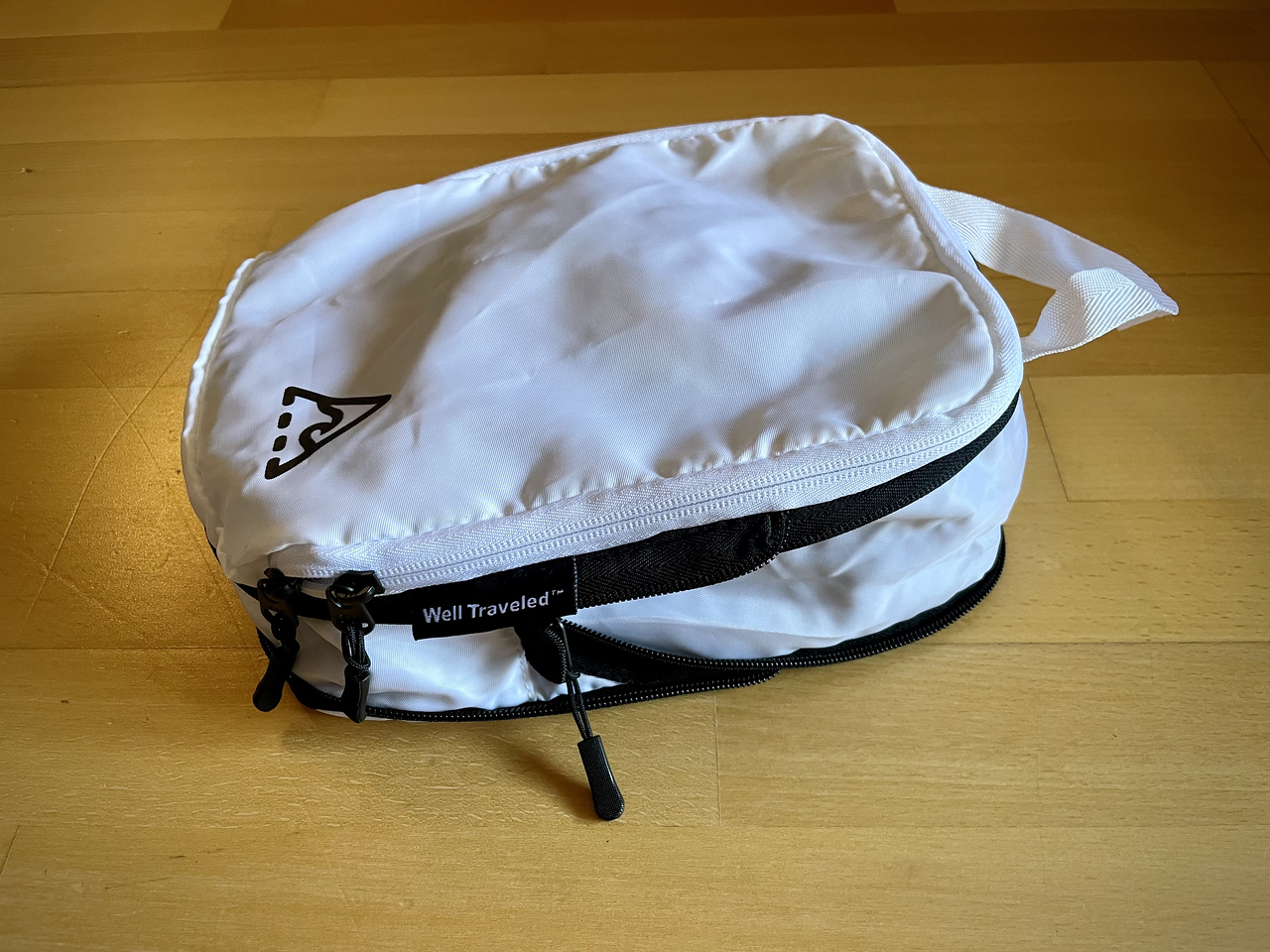
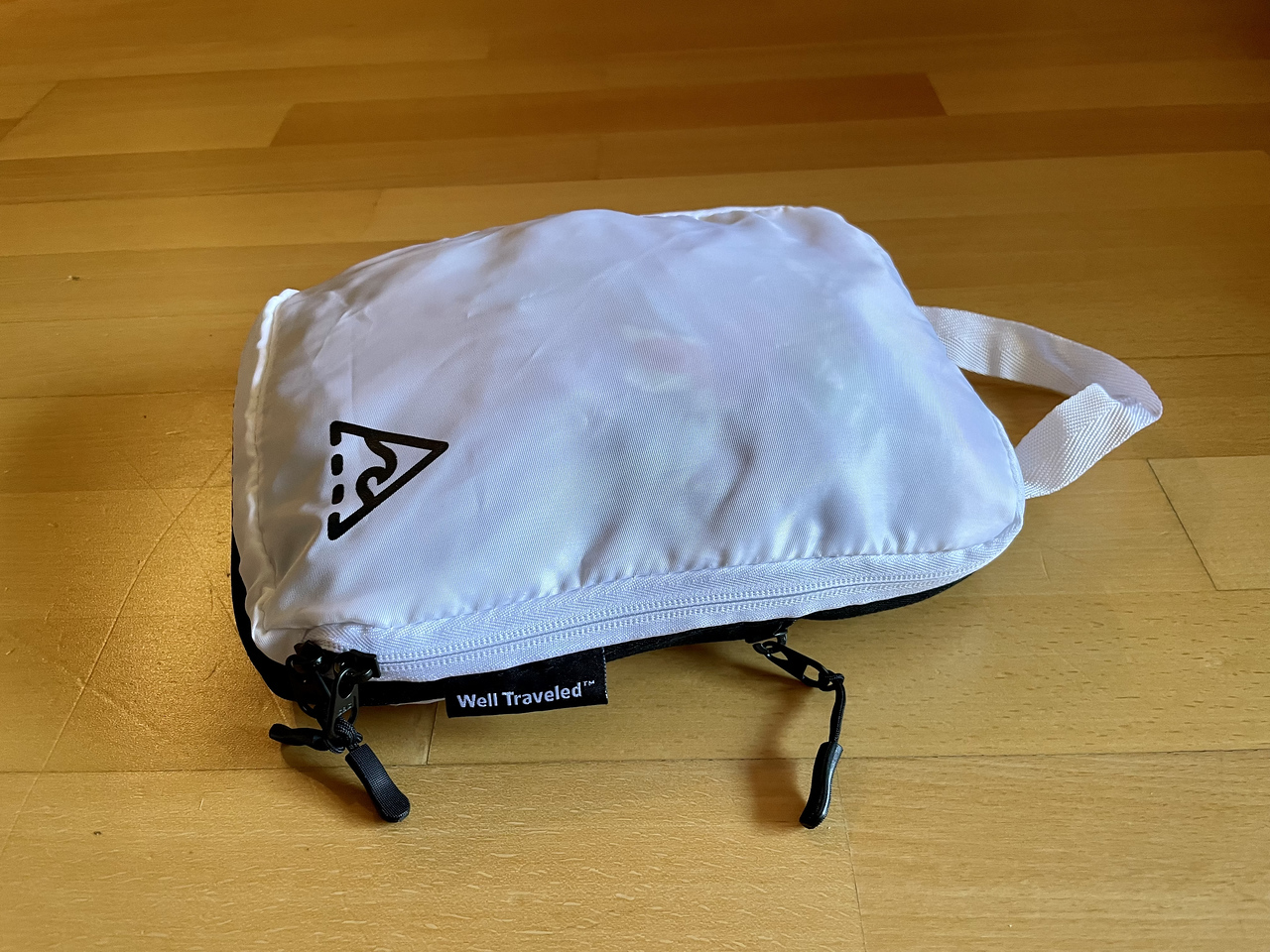
Well Traveled makes sleek compression cubes that fit especially well into structured suitcases and carry-on luggage.
I own the eight-piece set and regularly mix them with my Eagle Creek cubes. The compression feature works well for thinner clothing, and I like that the set includes multiple sizes that stack neatly together inside a backpack or rolling suitcase.
Unlike mesh cubes, these are more enclosed and water resistant, which makes them useful for containing dirty clothes or loose items. Since you can’t immediately see inside, the included labels are surprisingly helpful.
They’ve become my favorite middle-ground option: nicer-looking and more structured than budget cubes, but less painfully expensive than building a full Eagle Creek setup from scratch.
Eagle Creek
Most of my oldest packing cubes are Eagle Creek, including several that are now approaching 20 years old and somehow still function perfectly.
The Reveal line remains my personal sweet spot: durable zippers, breathable mesh panels, and enough structure to hold shape without adding too much weight.
I also regularly use the ultra-lightweight Isolate line (previously called Specter), especially for carry-on-only trips where every ounce matters. The thinner material isn’t quite as forgiving for rough handling, but the weight savings are noticeable.
What keeps me coming back to Eagle Creek, though, is longevity. I’ve tried cheaper cubes over the years and usually ended up replacing them after a few trips because of broken zippers or torn seams. My Eagle Creek cubes have survived long-term backpacking, family travel, constant repacking, and being shoved into overhead bins across dozens of countries.
They’re expensive upfront, yes. But after years of use, they’ve honestly become one of the better-value travel purchases I’ve made.
Budget Packing Cubes
If you’re not sure packing cubes are for you yet, budget brands like Amazon Basics or TRIPPED are honestly fine starting points.
The materials and zippers usually aren’t as durable long term, but they’re affordable and functional enough to test whether you actually enjoy packing this way before investing in pricier systems.
For occasional travelers, that may be all you ever need.
Who Packing Cubes Work Best For
I think packing cubes work best for three types of travelers:
- carry-on travelers trying to maximize a small bag
- long-term travelers constantly unpacking and repacking
- families traveling with kids
My Real Carry-On Packing System
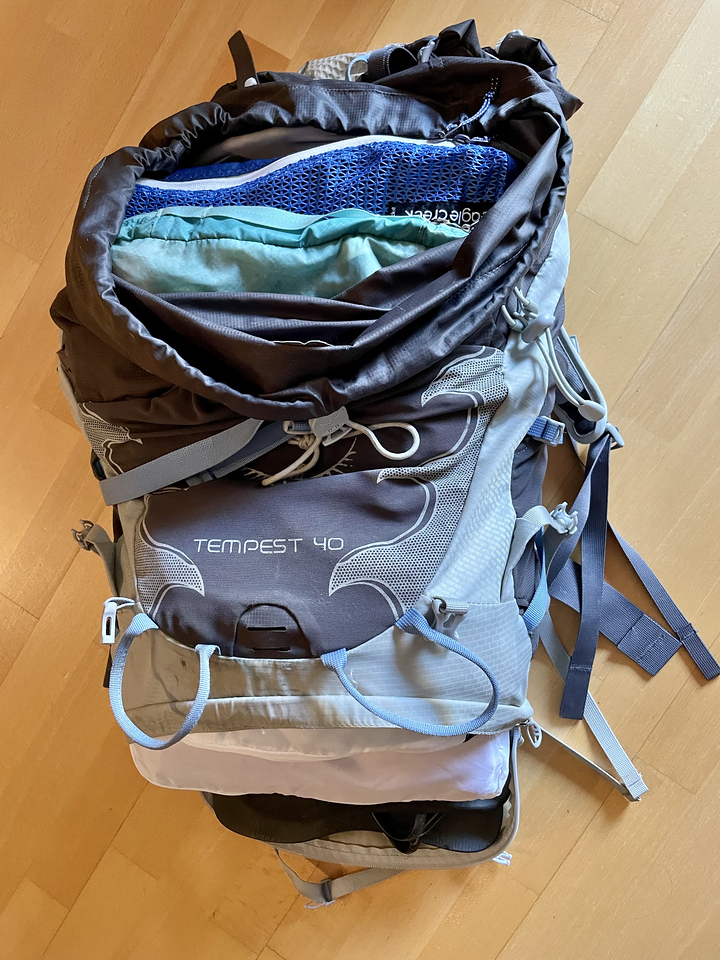
I travel carry-on only for most trips now, and for warm-weather destinations I can usually get down to just an under-the-seat backpack each, for me and my son.
At this point, I pack almost on autopilot.
Clothes go into compression cubes, electronics and chargers into a small tech pouch, toiletries into a hanging toiletry bag, and dirty laundry into either a dedicated compression cube or, honestly, sometimes just a gallon Ziplock bag. I still roll softer items like pajamas, workout clothes, or jackets and wedge them around the cubes to fill awkward dead space.
One thing I learned the hard way: cube dimensions matter far more in rolling carry-ons than in backpacks. Long skinny cubes fit beautifully between suitcase handle rails, while chunkier cubes usually work better in backpacks.
And if I’m trying to travel especially light, I’ll often wear my bulkiest shoes onto the plane and use smaller packing sacs to stuff chargers, socks, swimsuits, or random loose items into corners of the bag that would otherwise go unused.
I also leave one cube partially empty on longer trips because somehow there are always extra snacks, receipts, souvenirs, damp swimsuits, or random things that accumulate once you’re actually traveling.
The biggest shift for me wasn’t actually packing smaller—it was packing more predictably. Once every category has a place, repacking between destinations has become dramatically easier.
Are Packing Cubes Worth It?
Once I started packing the same categories into the same cubes every trip, travel got noticeably less chaotic. I stopped tearing apart my backpack looking for socks. Hotel unpacking became faster. Repacking before an early train or flight took five minutes instead of half an hour of sitting on the floor trying to remember where I shoved things.
And now that I travel with my son, I appreciate them even more. Keeping his clothes, pajamas, snacks, toys, and all the random tiny kid objects separated from mine saves an absurd amount of frustration on the road.
That said, I don’t think packing cubes are mandatory travel gear.
Some travelers are naturally organized and genuinely don’t need them. And if your main goal is cramming every possible item into a bag, tightly rolled clothes will usually fit more efficiently than cubes.
But for me, the tradeoff has always been worth it.
Packing cubes make constant movement feel a lot more manageable. Less rummaging, less repacking chaos, less mental clutter every time I move to a new place. After nearly two decades of constant travel, I honestly can’t imagine packing without them anymore.
The funny thing is, though, they only really work once you fully commit to the system. One lonely cube floating around inside an otherwise chaotic suitcase somehow makes everything worse. But once every category has a place, it becomes surprisingly hard to go back.